Uncategorized

Travel Guide, Uncategorized

How to Plan a Budget Trip in India

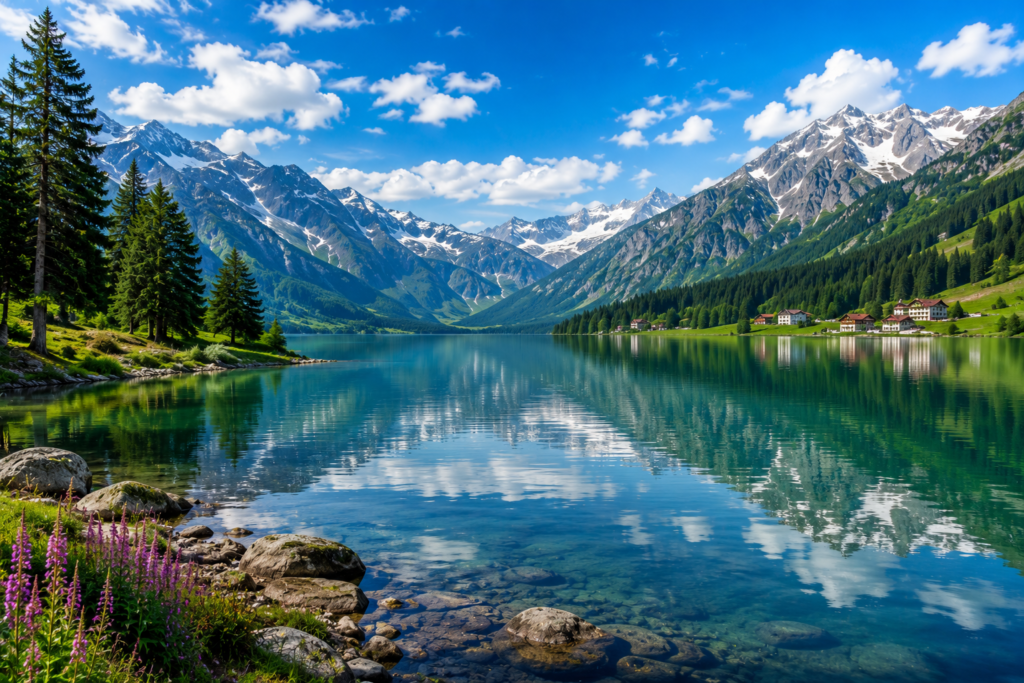
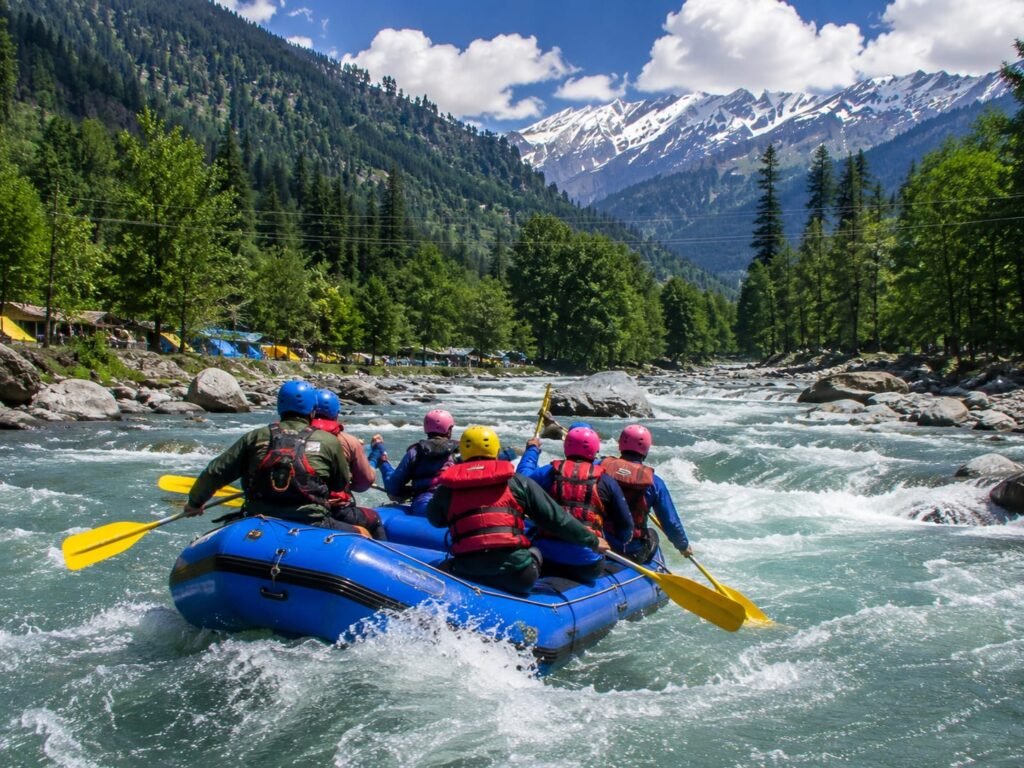
How to Plan a Budget Trip in India (2026 Guide) Traveling across India doesn’t have to be expensive. With smart planning, you can explore beautiful destinations, enjoy local experiences, and create unforgettable memories without spending a fortune. Whether you’re a student, solo traveler, couple, or family, this guide will help you plan an affordable and enjoyable trip. Why Choose Budget Travel? Budget travel allows you to: Explore more destinations Save money on transportation and accommodation Experience local culture closely Travel more frequently throughout the year The key to a successful budget trip is planning ahead and making smart choices. 1. Budget Planning Before booking anything, decide how much you want to spend on your trip. Divide Your Budget Into: Expense Recommended Share Transportation 30% Accommodation 30% Food 20% Sightseeing & Activities 15% Emergency Fund 5% Example Budget (4 Days / 3 Nights) Expense Cost Travel ₹3,000 Hotel ₹3,000 Food ₹1,500 Sightseeing ₹1,500 Miscellaneous ₹1,000 Total ₹10,000 Pro Tip: Set a daily spending limit and track your expenses using your smartphone. 2. Finding Cheap Flights 5 Flights can be one of the biggest travel expenses, but a few tricks can help you save significantly. Tips to Get Cheap Flights Book Early Booking flights 30–60 days in advance often results in lower fares. Travel During Weekdays Tuesday, Wednesday, and Thursday flights are generally cheaper than weekends. Compare Multiple Platforms Always compare prices across different flight booking websites before booking. Use Incognito Mode Airfare prices may increase based on repeated searches. Avoid Peak Seasons Travel during off-season periods for better deals. 3. Hotel Booking Tips 6 Accommodation is another major expense, but you don’t always need luxury hotels. Choose Budget Hotels or Hostels Budget Hotels: ₹800–₹2,000 per night Hostels: ₹300–₹1,000 per night Book in Advance Early bookings often offer discounts and better room choices. Stay Slightly Away from Tourist Areas Hotels located a little away from major attractions are usually cheaper. Check Reviews Read guest reviews before booking to avoid unpleasant surprises. Look for Free Amenities Choose hotels offering: Free Wi-Fi Complimentary breakfast Free parking Airport pickup options 4. Travel Hacks to Save Money 6 Use Public Transport Instead of taxis, use: Metro Local buses Shared cabs Auto-rickshaws Travel Overnight Night buses and trains save both travel and hotel costs. Eat Like a Local Local restaurants and street food are often cheaper and more authentic than tourist-focused eateries. Carry a Reusable Water Bottle Save money and reduce plastic waste. Travel in Groups Sharing hotel rooms and transport can significantly reduce expenses. Pack Light Avoid extra baggage fees on flights. Use Digital Payments Many apps offer cashback and travel discounts. Best Budget-Friendly Destinations in India 1. Rishikesh Adventure activities Budget hostels Beautiful river views 2. Jaipur Historical forts Affordable hotels Local markets 3. Goa (Off-Season) Cheap accommodations Less crowded beaches 4. Manali Scenic beauty Budget guesthouses 5. Varanasi Cultural experiences Low-cost stays and food Sample Budget for Different Travelers Traveler Type Budget (4–5 Days) Solo Traveler ₹8,000 – ₹15,000 Couple ₹15,000 – ₹30,000 Family ₹25,000 – ₹50,000 Luxury Traveler ₹60,000+ Common Budget Travel Mistakes ❌ Booking flights at the last minute ❌ Traveling during peak holidays ❌ Not comparing hotel prices ❌ Overspending on shopping ❌ Ignoring hidden travel costs ❌ Carrying too much luggage Conclusion Budget travel in India is easier than ever if you plan wisely. By booking flights early, choosing affordable accommodations, using public transport, and following smart travel hacks, you can enjoy an amazing vacation without overspending. Remember, memorable trips are not about spending more money—they’re about exploring new places, meeting new people, and creating unforgettable experiences. Looking for affordable travel packages? Sarthi Trails offers budget-friendly tour packages, hotel bookings, transportation, and customized travel plans to help you explore India without breaking the bank. ✈️🧳🇮🇳💰
Uncategorized

Top 10 Honeymoon Destinations in India for Couples (2026 Guide)

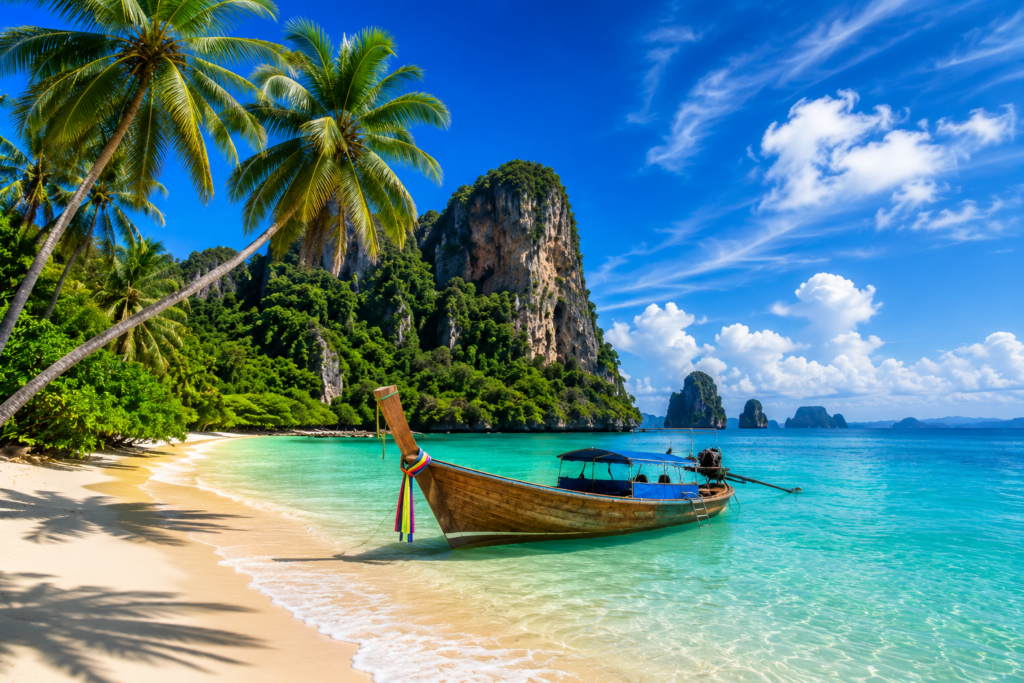
Top 10 Honeymoon Destinations in India for Couples (2026 Guide) Your honeymoon is one of the most special journeys of your life, and choosing the perfect destination can make it even more memorable. India offers a variety of romantic destinations, from snow-covered mountains and serene beaches to lush green backwaters and tropical islands. Whether you’re looking for adventure, luxury, or peaceful moments together, there’s a perfect honeymoon destination waiting for you. Here are the Top 10 Honeymoon Destinations in India for 2026. 1. Kashmir – Paradise on Earth 10 Kashmir is one of India’s most romantic destinations. Surrounded by snow-capped mountains, beautiful lakes, and picturesque valleys, it offers couples an unforgettable honeymoon experience. Romantic Experiences: Shikara ride on Dal Lake Stay in a luxury houseboat Gondola ride in Gulmarg Explore Pahalgam and Sonmarg Best Time to Visit: March to October, December to February for snowfall. 2. Manali – A Romantic Mountain Escape 4 Manali is a dream destination for couples who love mountains, adventure, and scenic beauty. Romantic Experiences: Visit Solang Valley Enjoy snowfall during winter Explore Old Manali cafés Rohtang Pass sightseeing Best Time to Visit: October to February for snow, March to June for pleasant weather. 3. Kerala – God’s Own Country 5 Kerala offers a unique honeymoon experience with backwaters, tea gardens, beaches, and luxury resorts. Romantic Experiences: Houseboat stay in Alleppey Explore Munnar tea plantations Relax on Kovalam Beach Ayurvedic spa treatments Best Time to Visit: September to March. 4. Goa – Beaches, Sunsets & Romance 8 Goa is perfect for couples who want a mix of beaches, nightlife, adventure, and luxury. Romantic Experiences: Beachside candlelight dinners Sunset cruises Water sports Luxury beach resorts Best Time to Visit: November to February. 5. Andaman Islands – Tropical Paradise 6 The Andaman Islands are famous for crystal-clear waters, white-sand beaches, and private island experiences. Romantic Experiences: Scuba diving together Beachside resorts Sunset walks on Radhanagar Beach Island hopping Best Time to Visit: October to May. 6. Udaipur – The City of Lakes Known as India’s most romantic city, Udaipur is famous for its royal palaces, lakes, and luxurious heritage hotels. Highlights: Lake Pichola Boat Ride City Palace Luxury Palace Hotels Romantic Sunset Views 7. Shimla – A Classic Honeymoon Destination Shimla’s pleasant weather, colonial charm, and mountain views make it a favorite among newlyweds. Highlights: Mall Road Kufri Jakhoo Temple Toy Train Ride 8. Ooty – The Queen of Hill Stations Ooty offers misty mountains, tea gardens, and beautiful lakes, making it ideal for a peaceful honeymoon. Highlights: Ooty Lake Botanical Gardens Tea Estates Nilgiri Mountain Railway 9. Darjeeling – Romance in the Himalayas Darjeeling is known for its tea gardens, toy train, and breathtaking views of Kanchenjunga. Highlights: Tiger Hill Sunrise Tea Garden Tours Batasia Loop Himalayan Railway 10. Coorg – Scotland of India Coorg is a hidden gem for honeymooners seeking privacy, greenery, and tranquility. Highlights: Coffee Plantations Abbey Falls Raja’s Seat Luxury Nature Resorts Estimated Honeymoon Budget Destination Budget for Couple Kashmir ₹30,000 – ₹70,000 Manali ₹25,000 – ₹60,000 Kerala ₹35,000 – ₹80,000 Goa ₹25,000 – ₹70,000 Andaman ₹50,000 – ₹1,20,000 Udaipur ₹30,000 – ₹80,000 Shimla ₹20,000 – ₹50,000 Ooty ₹25,000 – ₹55,000 Darjeeling ₹30,000 – ₹60,000 Coorg ₹25,000 – ₹65,000 Final Thoughts A honeymoon is not just a trip; it’s the beginning of a beautiful journey together. Whether you dream of Kashmir’s snowy mountains, Kerala’s serene backwaters, Goa’s golden beaches, or Andaman’s tropical paradise, India offers countless romantic destinations for every couple. Looking for the perfect honeymoon package? Sarthi Trails offers customized honeymoon tours with hotel bookings, sightseeing, transportation, and special romantic experiences to make your trip unforgettable. ❤️✈️🌍    

Uncategorized

Goa Trip Budget Guide 2026 – Complete Cost Breakdown

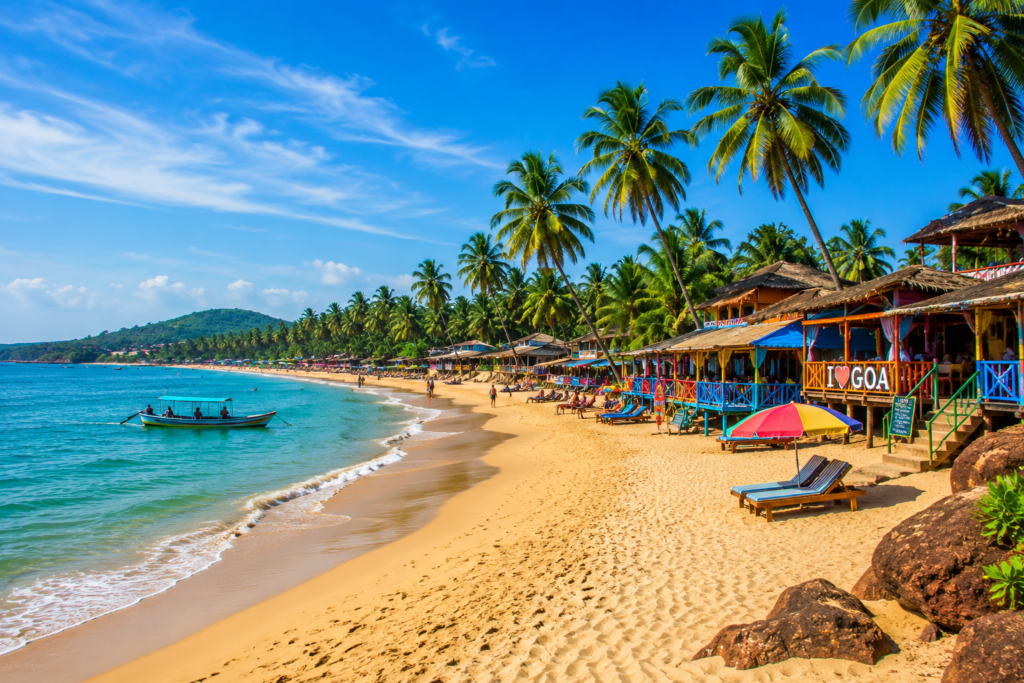
Goa Trip Budget Guide 2026 – Complete Cost Breakdown Goa is one of India’s most popular tourist destinations, known for its beautiful beaches, vibrant nightlife, water sports, and delicious seafood. Whether you’re planning a budget trip, a family vacation, or a luxury getaway, knowing the estimated expenses beforehand can help you plan better. Flight Cost to Goa Flight prices vary depending on your departure city and booking time. Departure City Approx. Round-Trip Cost Delhi ₹5,000 – ₹10,000 Mumbai ₹3,000 – ₹7,000 Bangalore ₹4,000 – ₹8,000 Hyderabad ₹4,000 – ₹8,000 Kolkata ₹6,000 – ₹12,000 Tips to Save Money: Book tickets 30–45 days in advance. Travel during weekdays. Compare fares on multiple booking platforms. Hotel Cost in Goa Goa offers accommodation options for every budget. Budget Hotels & Hostels ₹800 – ₹2,000 per night Mid-Range Hotels ₹2,500 – ₹6,000 per night Luxury Resorts ₹8,000 – ₹25,000+ per night Best Areas to Stay: North Goa: Baga, Calangute, Candolim, Anjuna South Goa: Palolem, Colva, Benaulim Food Cost in Goa Goa is famous for its seafood, beach shacks, and cafés. Budget Traveler ₹500 – ₹800 per day Mid-Range Traveler ₹1,000 – ₹2,000 per day Luxury Dining ₹2,500+ per day Must-Try Foods: Goan Fish Curry Prawn Balchão Chicken Cafreal Bebinca Dessert Local Transport Cost Transportation costs depend on how you plan to explore Goa. Scooter Rental ₹300 – ₹600 per day Bike Rental ₹500 – ₹1,000 per day Car Rental ₹1,500 – ₹3,500 per day Taxi Services ₹2,000 – ₹5,000 for major sightseeing trips Budget Tip: Renting a scooter is the most affordable and convenient option for tourists. Popular Activities Cost Activity Approx. Cost Parasailing ₹800 – ₹1,500 Jet Ski ₹500 – ₹1,000 Scuba Diving ₹2,000 – ₹5,000 Dolphin Trip ₹300 – ₹800 Sunset Cruise ₹500 – ₹1,500 Total Budget Breakdown Budget Trip (3 Nights / 4 Days) Expense Cost Flights ₹5,000 Hotel ₹3,000 Food ₹2,000 Transport ₹1,500 Activities ₹2,000 Total ₹13,500 – ₹18,000 Standard Trip (4 Nights / 5 Days) Expense Cost Flights ₹7,000 Hotel ₹10,000 Food ₹5,000 Transport ₹3,000 Activities ₹4,000 Total ₹25,000 – ₹35,000 Luxury Trip (5 Nights / 6 Days) Expense Cost Flights ₹12,000 Luxury Resort ₹40,000+ Food ₹10,000+ Transport ₹8,000+ Activities ₹10,000+ Total ₹70,000 – ₹1,20,000+ Best Time to Visit Goa 🌴 November to February – Pleasant weather and peak tourist season. ☀️ March to May – Hot weather but lower hotel prices. 🌧️ June to September – Monsoon season with lush green landscapes and budget-friendly stays. Conclusion Goa is a destination that fits every budget. A well-planned trip can cost as little as ₹15,000, while a luxury vacation can exceed ₹1 lakh. By booking flights early, choosing the right accommodation, and planning activities in advance, you can enjoy an unforgettable Goa vacation without overspending. Looking for a hassle-free Goa holiday? Book your Goa Tour Package with Sarthi Trails and enjoy customized itineraries, hotel bookings, sightseeing, and transportation—all in one package! 🏖️✈️🌊    

Uncategorized

Best Places to Visit in Kashmir in 2026 – Complete Travel Guide

Best Places to Visit in Kashmir in 2026 – Complete Travel Guide Kashmir, often called “Paradise on Earth,” is one of India’s most breathtaking travel destinations. Surrounded by snow-capped mountains, lush green valleys, crystal-clear lakes, and beautiful gardens, Kashmir offers an unforgettable experience for every traveler. Whether you’re planning a family vacation, honeymoon, or adventure trip, Kashmir should be at the top of your travel list in 2026. 1. Srinagar – The Heart of Kashmir 7 Srinagar is the capital city of Kashmir and one of the most visited destinations in the region. The city is famous for its stunning lakes, traditional houseboats, and beautiful Mughal gardens. Top Attractions: Dal Lake Nigeen Lake Shikara Ride Mughal Gardens Hazratbal Shrine Things to Do: Stay in a luxury houseboat Enjoy a Shikara ride on Dal Lake Explore local Kashmiri markets Taste authentic Kashmiri cuisine 2. Gulmarg – The Winter Wonderland 6 Gulmarg is one of India’s most popular hill stations and a paradise for adventure enthusiasts. It is especially famous for skiing and snowboarding during winter. Top Attractions: Gulmarg Gondola Apharwat Peak St. Mary’s Church Strawberry Valley Things to Do: Skiing and snowboarding Gondola cable car ride Snow activities Photography 3. Sonmarg – The Meadow of Gold 5 Sonmarg is known for its breathtaking landscapes, glaciers, and alpine meadows. It is a perfect destination for nature lovers and trekkers. Top Attractions: Thajiwas Glacier Zoji La Pass Vishansar Lake Krishansar Lake Things to Do: Trekking Camping Horse Riding Glacier Visits 4. Pahalgam – A Nature Lover’s Paradise 5 Pahalgam is a peaceful hill station surrounded by pine forests, rivers, and lush green valleys. It is also a popular honeymoon destination. Top Attractions: Betaab Valley Aru Valley Chandanwari Lidder River Things to Do: River rafting Horse riding Sightseeing Nature walks Best Time to Visit Kashmir The best time to visit Kashmir depends on the experience you’re looking for: Spring (March – May) Pleasant weather Blooming flowers Ideal for sightseeing Summer (June – August) Perfect for family vacations Green valleys and lakes Comfortable temperatures Autumn (September – November) Beautiful golden landscapes Less crowded Great for photography Winter (December – February) Snowfall and winter sports Best time for skiing in Gulmarg Perfect for snow lovers Kashmir Travel Budget (2026) Budget Trip (Per Person) Expense Cost Flights ₹6,000 – ₹12,000 Hotel ₹1,500 – ₹3,000/night Food ₹500 – ₹1,000/day Local Transport ₹2,000 – ₹5,000 Total (4–5 Days) ₹15,000 – ₹25,000 Standard Trip Expense Cost Flights ₹8,000 – ₹15,000 Hotel ₹3,000 – ₹6,000/night Food ₹1,000 – ₹2,000/day Activities ₹3,000 – ₹8,000 Total (5–6 Days) ₹30,000 – ₹50,000 Luxury Trip Expense Cost Flights ₹15,000+ Premium Hotels ₹8,000 – ₹20,000/night ✕

Uncategorized

How to Drive a Car: Best Tips for Beginner’s

How to Drive a Car: A Complete Beginner’s Guide Learning how to drive a car is an essential life skill that offers independence, convenience, and confidence. Whether you’re a complete beginner or someone looking to refine your driving basics, understanding the fundamentals is key to becoming a safe and responsible driver.In this guide, we’ll walk you through everything you need to know—from understanding the controls to driving on the road with confidence. How to Drive a Car: A Complete Beginner’s Guid 1. Understanding the Basics of a Car Before you start driving, it’s important to familiarize yourself with the basic components of a car. Every vehicle has essential controls that you must understand:Steering Wheel – Used to control the direction of the car. Accelerator (Gas Pedal) – Increases speed. Brake Pedal – Slows down or stops the car. Clutch (in manual cars) – Helps in changing gears. Gear Shift – Used to change speed levels (manual or automatic). Mirrors (rear-view & side mirrors) – Help you see traffic behind and beside you. Knowing these parts builds your confidence and ensures you’re not overwhelmed when youstart driving. 2. Manual vs Automatic Cars Before learning how to drive, you should know the difference between manual and automatic cars: Manual Cars Require using a clutch and gear shift More control over the vehicle Slightly harder for beginners Automatic Cars No clutch pedal Easier to learn and drive Ideal for beginners If you’re just starting out, automatic cars are usually easier. However, learning manual gives you greater flexibility. 3. Preparing to Drive Before you even start the engine, follow these steps: Adjust Your Seat Make sure you can comfortably reach the pedals and steering wheel. Your knees should be slightly bent. Adjust Mirrors Ensure you have a clear view of the road behind and beside you. Fasten Your Seatbelt This is non-negotiable. Safety always comes first. Check Surroundings Look around your car for any obstacles or pedestrians. 4. Starting the Car For Automatic Cars: Insert the key or press the start button. Ensure the gear is in “P” (Park). Press the brake pedal. Start the engine. For Manual Cars: Press the clutch fully. Put the gear in neutral. Start the engine. 5. Moving the Car In Automatic Cars: Press the brake pedal. Shift gear to “D” (Drive). Slowly release the brake. Gently press the accelerator. In Manual Cars: Press the clutch fully. Shift to first gear. Slowly release the clutch while gently pressing the accelerator. Once the car starts moving, release the clutch fully. This step requires practice, especially in manual cars where balancing clutch and accelerator is crucial. 6. Steering and Control Steering is all about smooth and controlled movements. Avoid sudden turns or jerks. Keep both hands on the steering wheel—ideally in the “9 and 3 o’clock” position. Always: Turn the wheel gradually Return it smoothly after turning Stay within your lane 7. Using Brakes Properly Braking is one of the most important skills in driving. Press the brake pedal gently to slow down. Sudden braking can cause discomfort and accidents. Tips:How to Drive a Car: A Complete Beginner’s Guide Maintain a safe distance from the vehicle ahead Anticipate stops (traffic lights, signals) Use gradual braking instead of sudden stops 8. Changing Gears (Manual Cars) In manual cars, changing gears is essential for smooth driving: 1st Gear – Start moving 2nd Gear – Slow speed 3rd Gear – Moderate speed 4th/5th Gear – High speed Always press the clutch fully before changing gears and release it slowly afterward. 9. Understanding Road Rules Driving is not just about controlling the car—it’s also about following traffic rules: Obey traffic signals Follow speed limits Use indicators while turning Respect pedestrians Avoid using mobile phones while driving Following rules ensures safety for you and others on the road. 10. Parking the Car Parking is a skill that improves with practice. Types of Parking: Parallel Parking Perpendicular Parking Angle Parking Basic steps: Slow down and position your car correctly Use mirrors and reverse camera (if available) Turn the steering slowly Adjust the position as needed Take your time—parking should be done carefully, not quickly.   11. Driving in Traffic Driving in busy areas can be challenging. Here are some tips: Stay calm and patient Keep a safe distance from other vehicles Avoid aggressive driving Use mirrors frequently Be alert at all times With experience, traffic driving becomes easier. 12. Common Mistakes Beginners Make Avoid these common mistakes: Pressing accelerator too hard Releasing clutch too quickly (manual cars) Not checking mirrors Ignoring traffic rules Panic braking Learning from mistakes is part of the process, but awareness helps you improve faster. 13. Safety Tips for How to Drive a Car: A Complete Beginner’s Guide New Drivers Always wear a seatbelt Avoid distractions (phone, loud music) Drive at a comfortable speed Keep both hands on the wheel Practice regularly Safety should always be your top priority. 14. Practice Makes Perfect Driving is a skill that improves with time and practice. Start in an empty parking lot or quiet road before moving to busy streets. Gradually increase your confidence and exposure. You can also: Take professional driving lessons Practice with an experienced driver Watch tutorials for better understanding Conclusion:How to Drive a Car: Best Tips for Beginner’s  Learning how to drive a car may seem difficult at first, but with the right approach and consistent practice, it becomes second nature. Start by understanding the basics, practice regularly, and always prioritize safety. Whether you choose a manual or automatic car, the key is patience and confidence. Driving is not just about reaching your destination—it’s about enjoying the journey while ensuring safety for yourself and others. FAQ:How to Drive a Car How to Drive a Manual Car? The manual transmission car is where you have to use all your senses and remain totally focused while driving. Let us give you a few pointers on how to do so:- The engine should be powered on when the gear is in neutra. In modern

Uncategorized

The Psychology of First Impressions: Best Tips

The Psychology of First Impressions: When we meet someone for the first time, we quickly form an opinion about them without even thinking much. This is called a first impression. It happens within a few seconds and is based on small things like appearance, behavior, and communication. Even without full information, our mind makes a quick judgment. This process is automatic, and most of the time we are not even aware that we are doing it. In simple words, first impression is the first thought or feeling we develop when we see someone for the first time. It is usually based on what we observe in the initial few moments. For example, if a person is smiling and speaking confidently, we may think they are friendly and trustworthy. But if someone avoids eye contact or looks confused,we may feel unsure about them. These small signals create a big impact on our thinking.  Psychology of First Impressions First impressions are very important in daily life. They affect how people see us and how they behave with us.First impression is a Psychological term referring to the mental image formed by the perceiver when they first observe another person A good first impression can help build trust and strong relationships, while a bad first impression can create distance. People often decide how to treat us based on the first impression we create. This is why it is said that the first impression is the last impression, even though it can change over time. Also Read: The psychology of Pride and its Positive side In professional situations, first impression plays a very important role. For example,during a job interview, the way a person enters the room, greets the interviewer, and communicates can influence the final decision. Even before answering any questions, the interviewer may already have an opinion. Similarly, in business meetings or client interactions, first impression can affect trust and future opportunities. The reason behind this comes from human psychology. Our brain works very fast and tries to save time and energy. Instead of thinking deeply about every situation, it makes quick decisions based on what it sees. It uses past experiences and small signals to form opinions. This helps us react quickly, but sometimes it can also lead to wrong judgments. Our brain is trained to notice patterns and make decisions quickly. If we have seen similar behavior in the past, we connect it with our current experience. For example, if we have met confident people who were helpful, we may assume that every confident person is helpful. This is how our brain simplifies decision-making. How to Make a Good First Impression There are different factors that influence first impression. Appearance plays a big role because the way a person looks creates the first impact. Clothing, grooming, and overall presentation matter a lot. Body language is another important factor. Posture,eye contact, and hand movements show confidence or nervousness. A person who stands straight and maintains eye contact is often seen as confident. Tone of voice also matters a lot. The way we speak, including our tone and clarity,affects how others perceive us. A clear and confident voice creates a positive feeling,while a low or unclear voice may create doubt. Facial expressions are also important. A smile can make a person look friendly, while a serious or dull face may create a negative impression. Confidence is one of the strongest factors in creating a good first impression. People who appear confident are often seen as more capable and trustworthy. Confidence does not mean being overconfident, but it means being comfortable and clear in communication. First impression is not only about people. It is also very important in the digital world.When someone visits a website or social media page, they decide quickly whether they like it or not. This decision is based on design, content, and presentation. If a website looks clean, simple, and easy to understand, users are more likely to stay and explore.But if it looks confusing or messy, they may leave immediately. + Understanding How Others See You In today’s digital world, first impression plays a huge role in marketing. Brands focus on how their product or service looks at first glance. They use attractive packaging, strong headlines, and engaging content to create a positive impact. A good first impression can increase interest and encourage people to explore more. It also helps in building trust and improving customer experience. Creating a good first impression is not very difficult. It requires attention to small details.Dressing neatly, speaking clearly, and maintaining eye contact can help a lot in personalinteractions. Being polite and confident also creates a positive impact. Listening carefully and responding properly also helps in building a good impression. In professional situations, being prepared and punctual is very important. Arriving on time and showing readiness reflects seriousness and responsibility. In online content,using simple language, clear structure, and proper formatting helps in creating a better impression.However, many people make common mistakes that affect their first impression. Poor communication is one of the major problems. If a person is not able to express their thoughts clearly, it creates confusion. Negative body language like avoiding eye contact or showing lack of interest can also create a bad impression.http://shop.digipranjali.shop/thriving-green The Psychology of First Impressions: Messy appearance or unorganized content can reduce trust. In the digital world, if a website has too much information, poor design, or difficult navigation, users may leave quickly. Using complicated language can also make it difficult for others to understand,which creates a negative experience. Another common mistake is trying too hard to impress. Being unnatural or fake can be easily noticed and may create a negative impression. It is always better to be natural and confident rather than pretending to be someone else. Although first impressions are very powerful, they are not always permanent. It is possible to change them, but it takes time and effort. A person needs to show consistent positive behavior and clear communication to improve a negative impression.

Scroll to Top